The Ephesus Archaeological Museum in Selçuk is home to some of the most spectacular finds from the ancient city. Highlights include the famous statues of Artemis with multiple breasts, ancient coins, and intricate Roman medical tools. It provides the necessary context to understand the daily lives and spiritual beliefs of the people who once called […]
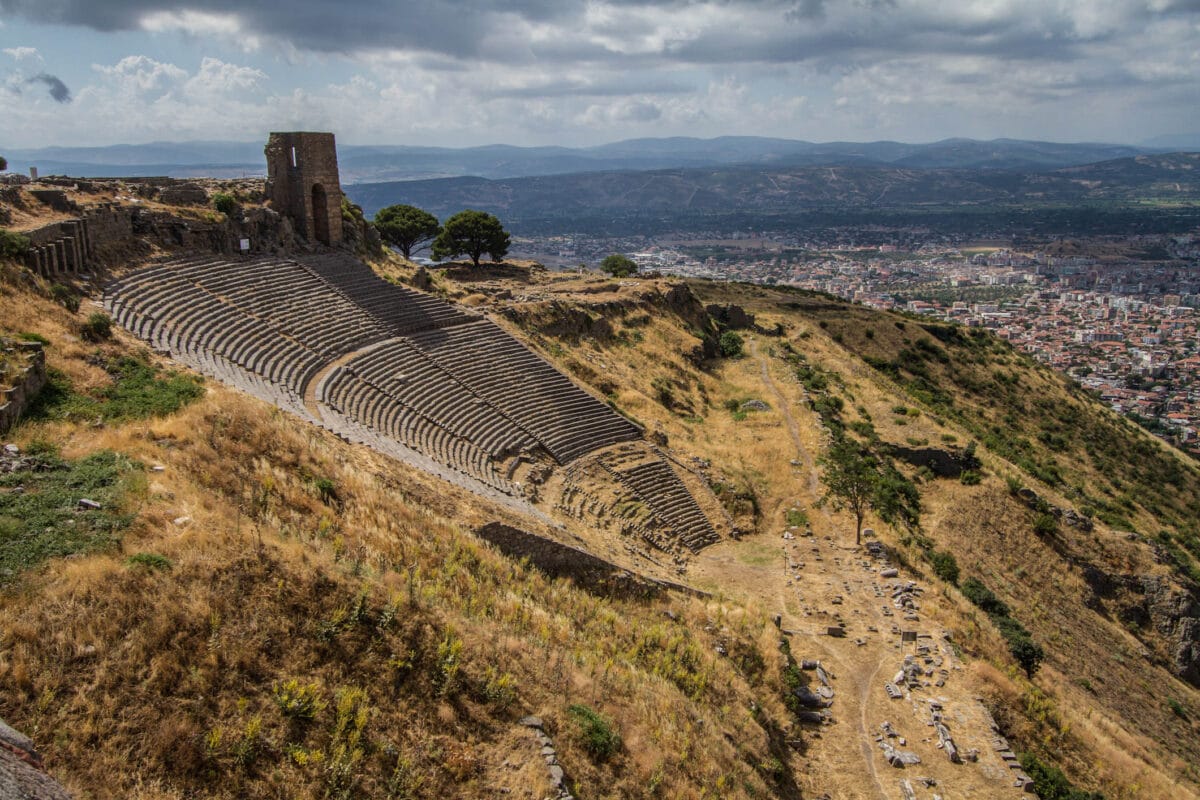
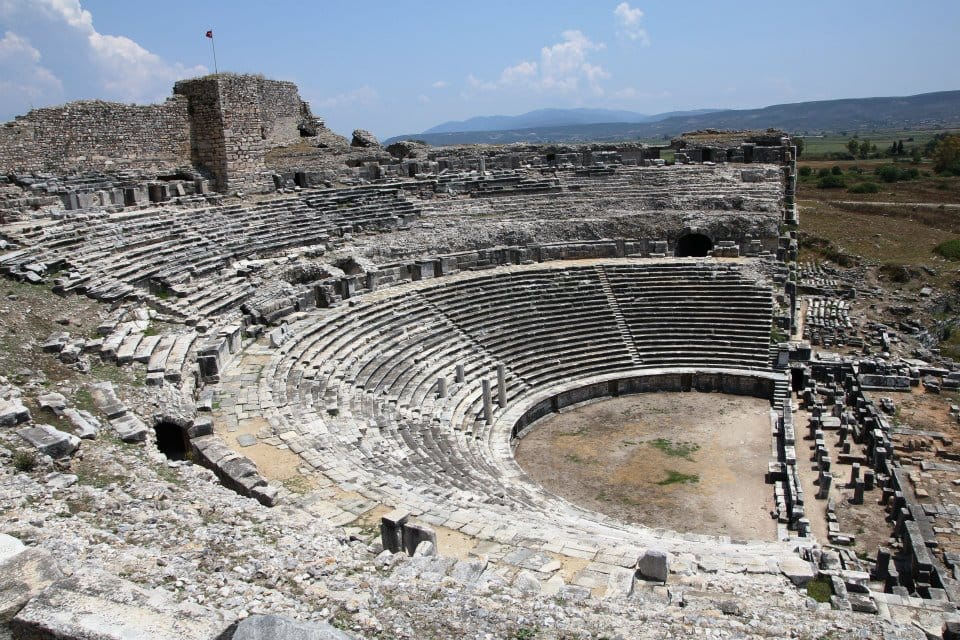
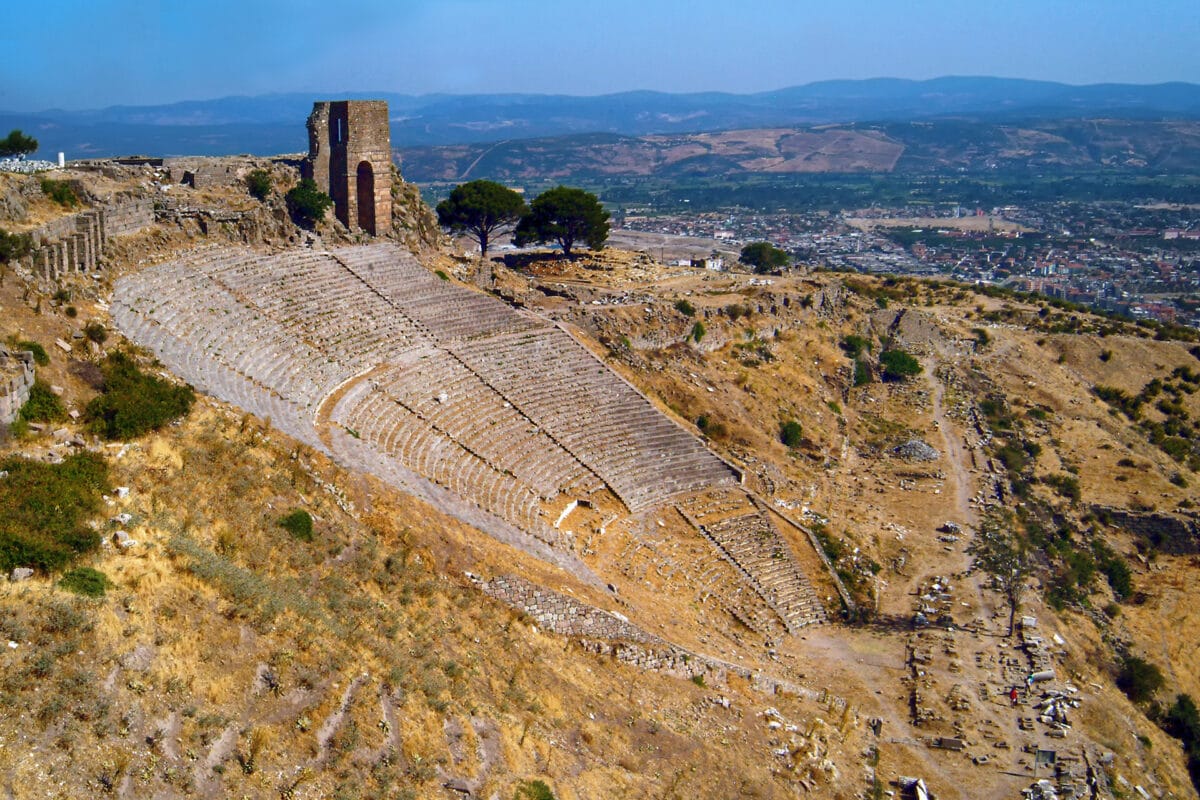
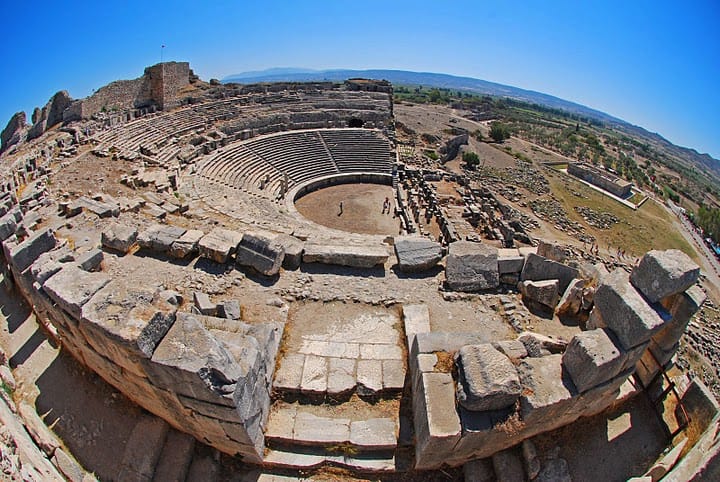
Carved into the side of Mt. Pion, the Great Theater of Ephesus is one of the largest in the ancient world. It wasn’t just for plays; it hosted gladiator fights, political gatherings, and the famous sermons of St. Paul. Standing at the top row offers a breathtaking view of the Arcadian Way leading toward the […]
Beyond the marble ruins, the nature surrounding Ephesus is vibrant and lush. Hiking trails around Mt. Bülbül (Nightingale Mountain) offer fresh pine-scented air and hidden views of the Aegean coastline. It’s a perfect way to combine archaeological exploration with outdoor adventure, discovering the flora and fauna of the Selçuk region.
Selçuk is much more than a transit point; it is a town where history lives on every corner. From the Byzantine castle overlooking the town to the Roman aqueducts where storks build their nests, Selçuk blends modern Turkish life with layers of ancient civilizations. It is the perfect base for exploring the Aegean’s cultural heritage.
Known as the ‘Houses of the Rich,’ the Terrace Houses offer an intimate look at Roman domestic life. These villas are famous for their stunning floor mosaics and intricate wall frescoes that have survived for centuries. They feature advanced heating systems and private courtyards, showcasing the incredible engineering and artistic taste of the Ephesian elite.
Built by Emperor Justinian in the 6th century, this grand basilica marks the burial site of St. John the Apostle. Once covered by six magnificent domes, its ruins still convey the immense scale and religious importance it held during the Byzantine Empire. Visitors can explore the baptistery and the saint’s tomb while enjoying a panoramic […]
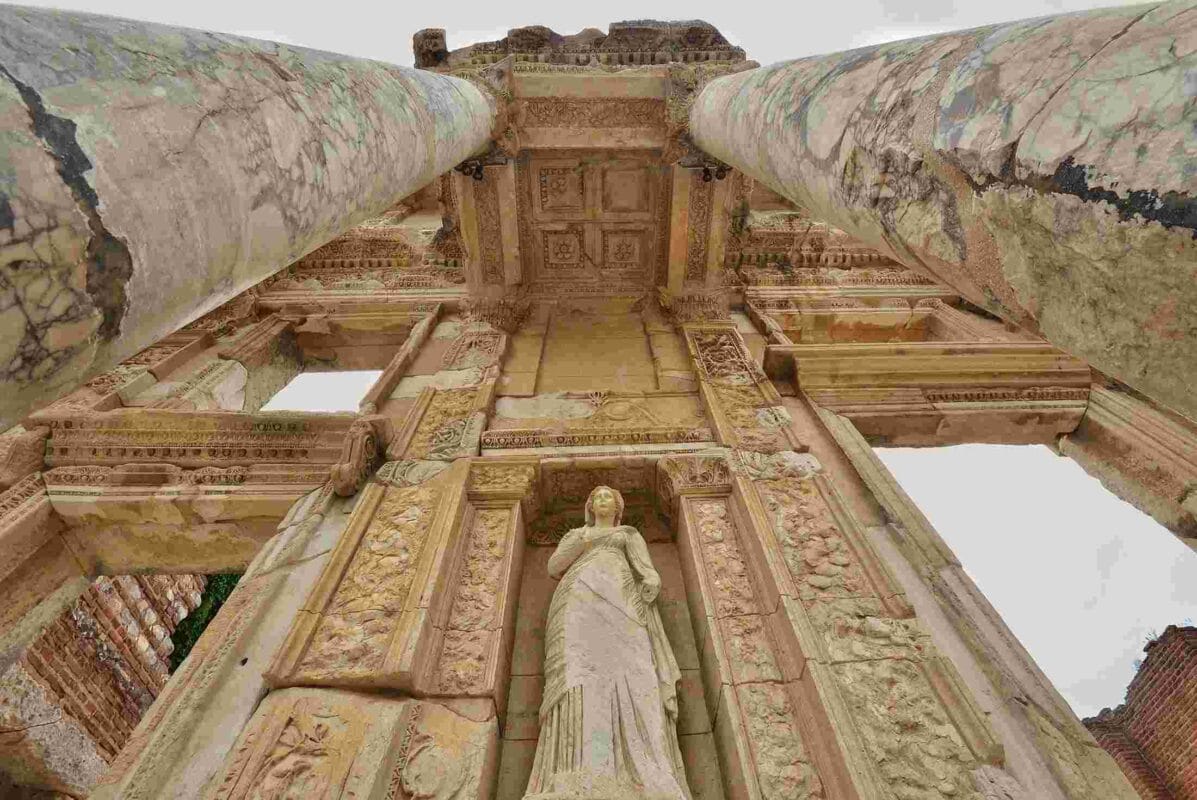
The facade of the Celsus Library is perhaps the most iconic image of Ephesus. Built in 110 AD, it once housed over 12,000 scrolls. The four statues at the entrance represent Wisdom (Sophia), Knowledge (Episteme), Intelligence (Ennoia), and Virtue (Arete)—the core values of the ancient world.
After exploring the marble streets of Ephesus, the mountain village of Şirince offers a perfect escape. Known for its traditional Greek-style white houses and famous fruit wines, this village is a cultural gem where you can enjoy local Aegean flavors and breathtaking nature views.
Nestled on the lush green slopes of Mt. Koressos (Bülbül Dağı), this humble stone house is believed to be the final residence of the Virgin Mary. It offers a profound sense of peace and is a sacred pilgrimage site for both Christians and Muslims, featuring a ‘Wall of Wishes’ where visitors leave their prayers.
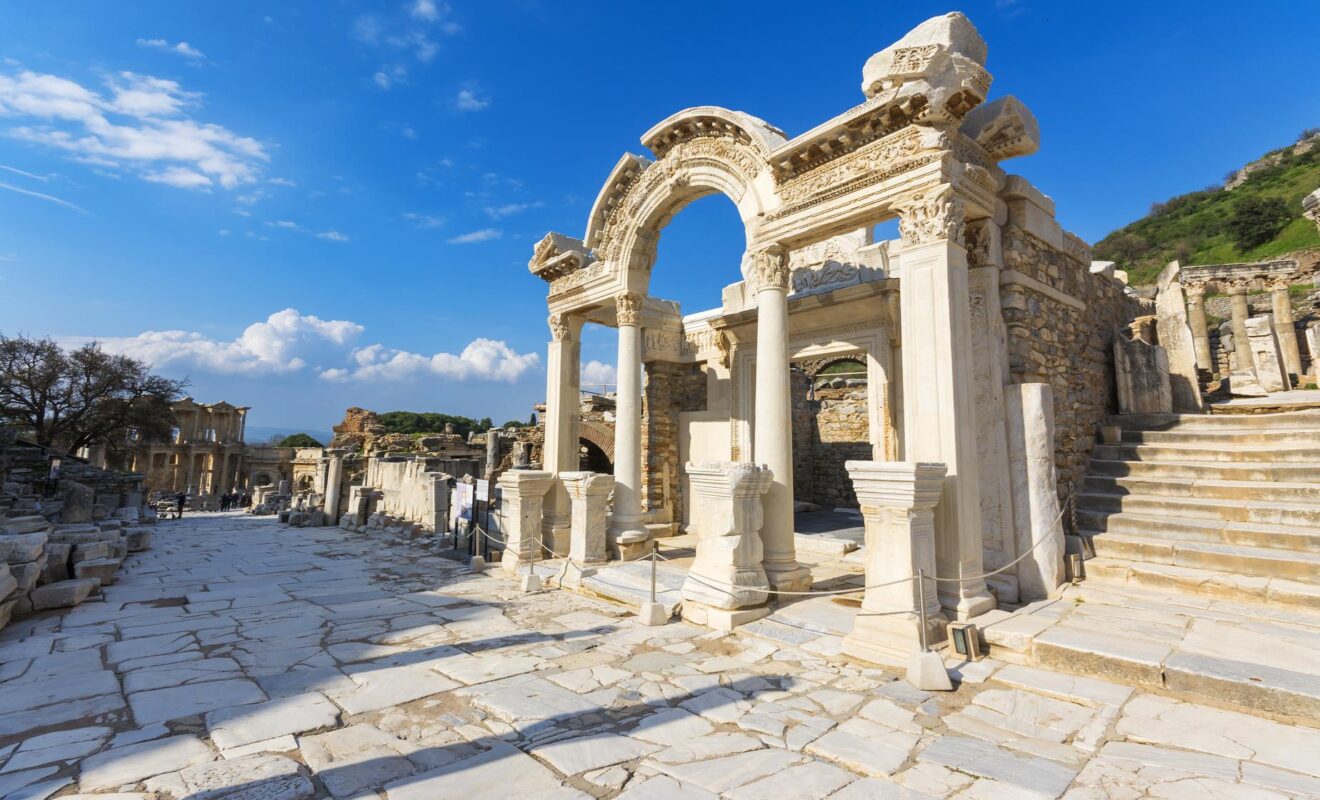
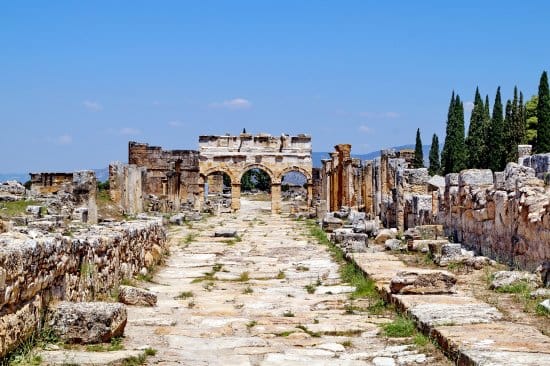
Ephesus is not just a collection of ruins; it is a living chronicle of the Roman and Greek eras. Walking down the marble-paved Curetes Street, you feel the footsteps of emperors and philosophers. As one of the most important port cities of the ancient world, its grandeur remains unmatched in the Mediterranean.